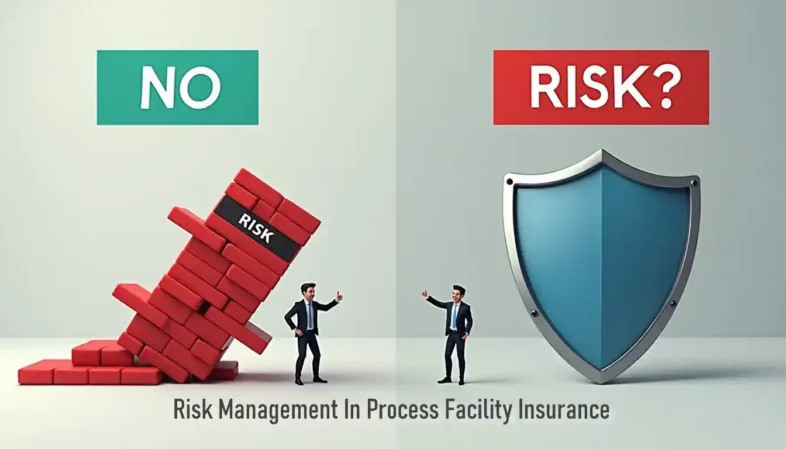
IPPTS Associates PFI has launched a free, plain-English self-assessment guide designed to help anaerobic digestion plant owners and operators complete complex biogas insurance questionnaires with greater speed and clarity. The resource addresses a widespread challenge faced by process facility operators (such as biogas plant managers) who must navigate detailed technical questions that directly influence underwriting decisions, coverage scope, and premium calculations. By providing structured guidance through the questionnaire process, the tool enables operators to communicate their facility's risk profile more effectively before engaging with insurers.
More information is available at https://processfacilityinsurance.uk/
The need for such a resource stems from the unique and complex insurance landscape that AD operators face. Anaerobic digestion facilities are just one example where these facilities combine construction, industrial chemical processing, and renewable energy generation risks within a single operation, making standard off-the-shelf commercial policies structurally inadequate.
Methane, the primary component of biogas, is explosive at concentrations between 5% and 15% in air, while biogas typically contains 50% to 75% methane, according to industry safety data. Underwriters must evaluate these safety considerations when assessing AD facilities, contributing to the technical complexity of insurance questionnaires.
Many operators do not realise the extent of coverage gaps until a claim is denied, creating a critical knowledge deficit that the self-assessment guide aims to address. Design decisions made during the planning phase of an AD project directly determine required insurance coverage, necessitating a thorough technology audit by insurers.
Feedstock type, storage technology, fermentation method, digestion temperature, and processing stages all influence how underwriters evaluate risk and structure policies. Generic questionnaire responses fail to capture these nuances, which is why operators need structured guidance to ensure their submissions reflect the specific characteristics of their facilities.
Every AD facility requires multiple layers of coverage that must work together without overlap or gaps.
All risks with property damage cover protect digesters, process equipment, buildings, and civil engineering structures. Loss of Income cover responds to revenue loss caused by equipment failure, network outages, or restricted access, even when the physical plant remains undamaged. Environmental Damage Liability addresses pollution events, biodiversity damage, and odour claims.
Civil Liability for electricity producers covers third-party claims arising from energy generation activities.
Business Interruption insurance safeguards ongoing costs and lost revenue during operational outages.
Crisis Management costs fund immediate response to incidents, including leaks, outages, and public-facing environmental events. A single incident can trigger multiple claims simultaneously, making the interconnection between these coverage types critical to a facility's financial resilience.
Major process equipment failures, such as a primary digester requiring relining, can take six to twelve months to remediate, according to industry data on AD plant downtime. Extended repair timelines make a minimum 24-month indemnity period critical for business interruption coverage.
Without adequate protection, operators face substantial uninsured revenue loss during prolonged outages, including lost electricity export income, Renewable Heat Incentive payments, gate fees, and digestate sales. The self-assessment guide helps operators correctly identify and communicate their downtime exposure in insurance questionnaires, ensuring they secure appropriate coverage limits that reflect the operational realities of their facilities.
IPPTS Associates PFI positions the self-assessment guide as a practical risk management tool that bridges the gap between complex insurance questionnaires and operational reality. The resource enables AD plant owners to streamline questionnaire completion, accelerate the underwriting process, and strengthen their overall risk management strategy before engaging with insurers.
By providing a methodical framework for documenting facility characteristics, operational procedures, and risk mitigation measures, the training supports operators in securing appropriate, tailored coverage for their specific facility and risk profile.
For more details, visit https://processfacilityinsurance.uk/
Company: IPPTS Associates PFI City: Shrewsbury Address: 11 Adswood Grove Website: https://processfacilityinsurance.uk/ Phone: +44 7875 170878 Email: support@processfacilityinsurance.uk>